

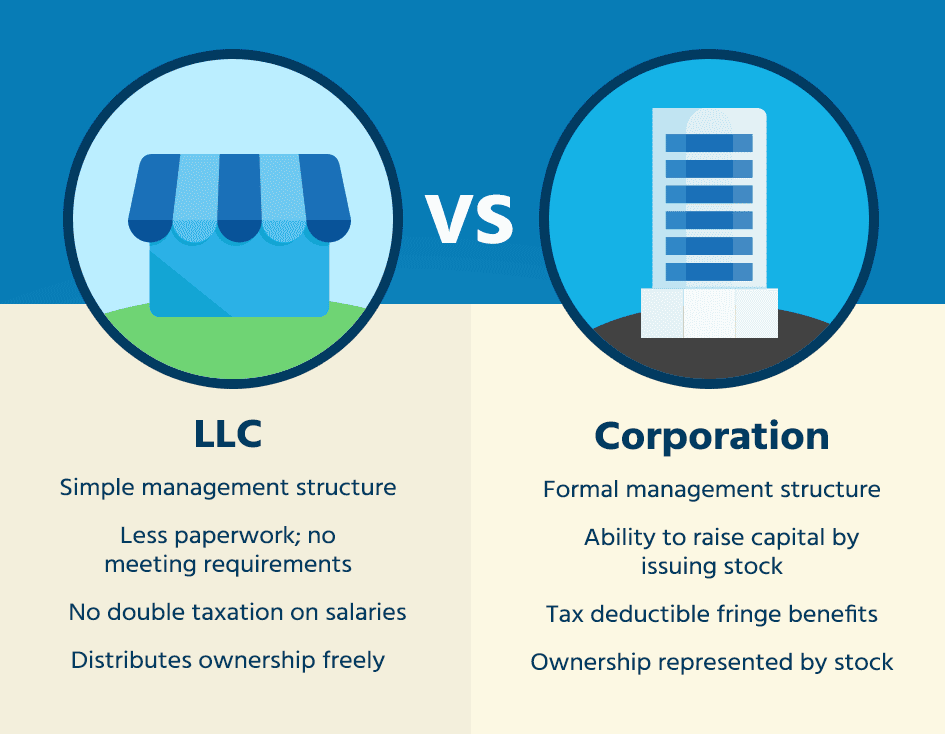
When starting a tech company, one of the key decisions you will need to make is choosing the right legal structure for your business. Two common options are Limited Liability Companies (LLCs) and Corporations. In this article, we will explore the differences between these two legal structures and help you decide which one is best for your tech business.
LLC (Limited Liability Company)
An LLC is a popular choice for many tech startups because it offers the protection of limited liability while allowing for flexibility in management and taxation. With an LLC, the owners (known as members) are not personally liable for the debts and obligations of the business. This means that if the company is sued or goes into debt, the personal assets of the members are protected.
One of the key benefits of an LLC is the pass-through taxation structure. This means that the profits and losses of the business are passed through to the individual members, who report them on their personal tax returns. This can result in tax savings for the members compared to a Corporation, which is subject to double taxation.
Corporation
Corporations are another popular choice for tech companies, especially those that plan to raise funding or go public in the future. A Corporation is a separate legal entity from its owners, known as shareholders. this means that the shareholders are not personally liable for the debts and obligations of the company.
One of the main advantages of a Corporation is the ability to issue different classes of stock, which can be useful for attracting investors and retaining key employees. Corporations also have more formalities and governance requirements compared to LLCs, which can be both an advantage and a disadvantage depending on the size and structure of your tech business.
Choosing the Right Structure
When deciding between an LLC and Corporation for your tech business, there are a few key factors to consider:
Liability Protection
If protecting your personal assets from business liabilities is a top priority, an LLC may be the best choice for you. However, if you plan to raise outside funding or go public, a Corporation may be a better fit due to the limited liability protection it offers to shareholders.
Tax Implications
Consider the tax implications of each structure and how they will impact your business and personal finances. Consulting with a tax professional can help you make an informed decision based on your specific situation.
Growth and Funding
If you plan to scale your tech business quickly and raise funding from investors, a Corporation may be the better choice due to its ability to issue stock and attract capital. However, if you prefer a more flexible management structure and pass-through taxation, an LLC may be the right fit for your business.
Conclusion
Choosing the right legal structure for your tech business is an important decision that can have long-term implications for your company. Both LLCs and Corporations offer advantages and disadvantages, so it is important to carefully consider your business goals and consult with legal and financial professionals before making a decision.