

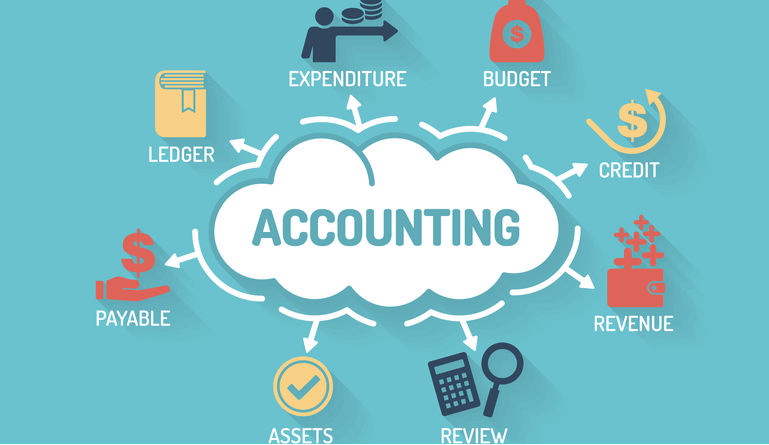
In recent years, cloud accounting has emerged as a game-changer in the world of finance and accounting. Gone are the days of relying on bulky desktop software and manual data entry. Thanks to the cloud, businesses now have the ability to access their financial data anytime, anywhere, with just an internet connection.
Benefits of Cloud Accounting
One of the biggest benefits of cloud accounting is its scalability. Whether you’re a small startup or a large enterprise, cloud accounting software can easily grow with your business. This means no more costly upgrades or migrations as your company expands.
Another advantage of cloud accounting is its cost-effectiveness. With cloud accounting, there is no need to invest in expensive hardware or software. Instead, you pay a monthly subscription fee based on your business needs. This can result in significant cost savings for businesses of all sizes.
Cloud accounting also improves collaboration among team members. With real-time access to financial data, employees can work together seamlessly, no matter their location. This can lead to increased productivity and better decision-making for the business.
Security Concerns
While the benefits of cloud accounting are clear, many businesses have concerns about the security of their financial data. However, reputable cloud accounting providers use advanced encryption and security protocols to protect sensitive information. In fact, cloud accounting is often more secure than traditional on-premise solutions, which can be vulnerable to physical theft or natural disasters.
Choosing the Right Cloud Accounting Software
When selecting a cloud accounting software for your business, there are several factors to consider. One important factor is ease of use. Look for a software that is intuitive and user-friendly, so that your team can quickly adapt to the new system.
Another important consideration is integration capabilities. Make sure the cloud accounting software can seamlessly integrate with other business tools and applications that you use on a daily basis. This will help streamline your business processes and increase efficiency.
It’s also important to consider the scalability of the software. Ensure that the software can meet your current needs and can easily expand as your business grows. This will prevent the need for switching to a new system down the line.
Conclusion
Cloud accounting is revolutionizing the way businesses manage their finances. With its scalability, cost-effectiveness, and improved collaboration capabilities, cloud accounting offers a host of benefits for businesses of all sizes. By choosing the right cloud accounting software and addressing security concerns, businesses can harness the power of the cloud to take their financial management to the next level.