

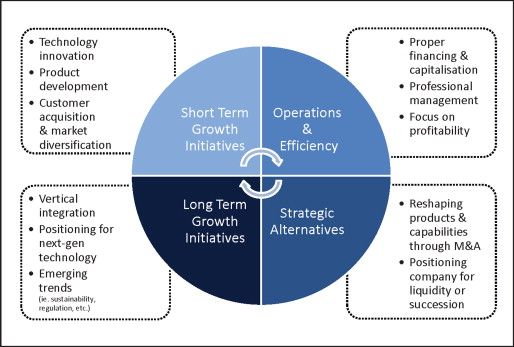
Creating a budget for your tech business is crucial in order to achieve long-term growth and success. By carefully planning and allocating your resources, you can ensure that your company is financially stable and able to take advantage of new opportunities as they arise.
Setting Financial Goals
The first step in creating a budget for your business is to set clear financial goals. These goals should be specific, measurable, achievable, relevant, and time-bound (SMART). By having a clear understanding of where you want your business to go financially, you can begin to make strategic decisions about how to allocate your resources.
Estimating Revenue and Expenses
Once you have set your financial goals, the next step is to estimate your revenue and expenses. This involves forecasting how much money you expect to bring in from sales and other sources, as well as how much you expect to spend on things like salaries, marketing, and overhead costs.
It’s important to be as accurate as possible when estimating your revenue and expenses, as this will form the basis of your budget. Consider using historical data, industry benchmarks, and input from key stakeholders to help you make informed projections.
Creating a Detailed Budget
With your revenue and expense estimates in hand, you can now create a detailed budget for your business. This should outline all of your expected income and expenses for a set period of time, usually a year.
Be sure to break down your budget into specific categories, such as salaries, rent, utilities, marketing, and equipment. This will make it easier to track your spending and identify areas where you may need to adjust your budget throughout the year.
Monitoring and Adjusting Your Budget
Once your budget is in place, it’s important to regularly monitor your actual income and expenses against your projections. This will allow you to identify any discrepancies and make adjustments as needed to ensure that you stay on track with your financial goals.
Consider setting up regular check-ins with your finance team or key stakeholders to review your budget and discuss any changes that may be necessary. By staying proactive and responsive to changes in your business environment, you can better position your company for long-term growth.
Investing in Growth Opportunities
As you monitor your budget and financial performance, be on the lookout for opportunities to invest in the growth of your business. This could involve expanding into new markets, launching new products or services, or investing in research and development.
By making strategic investments in your business, you can position yourself for long-term success and ensure that your company remains competitive in the fast-paced tech industry. Just be sure to carefully weigh the potential risks and rewards of any investment before committing your resources.
Conclusion
Creating a budget for your tech business is an essential step in planning for long-term growth and success. By setting clear financial goals, estimating your revenue and expenses, creating a detailed budget, and monitoring and adjusting your finances, you can ensure that your company is well-positioned to take advantage of new opportunities and achieve your long-term objectives.
Remember, budgeting is an ongoing process that requires regular review and adjustment. By staying proactive and responsive to changes in your business environment, you can create a solid financial foundation for your tech business and pave the way for future growth and prosperity.