

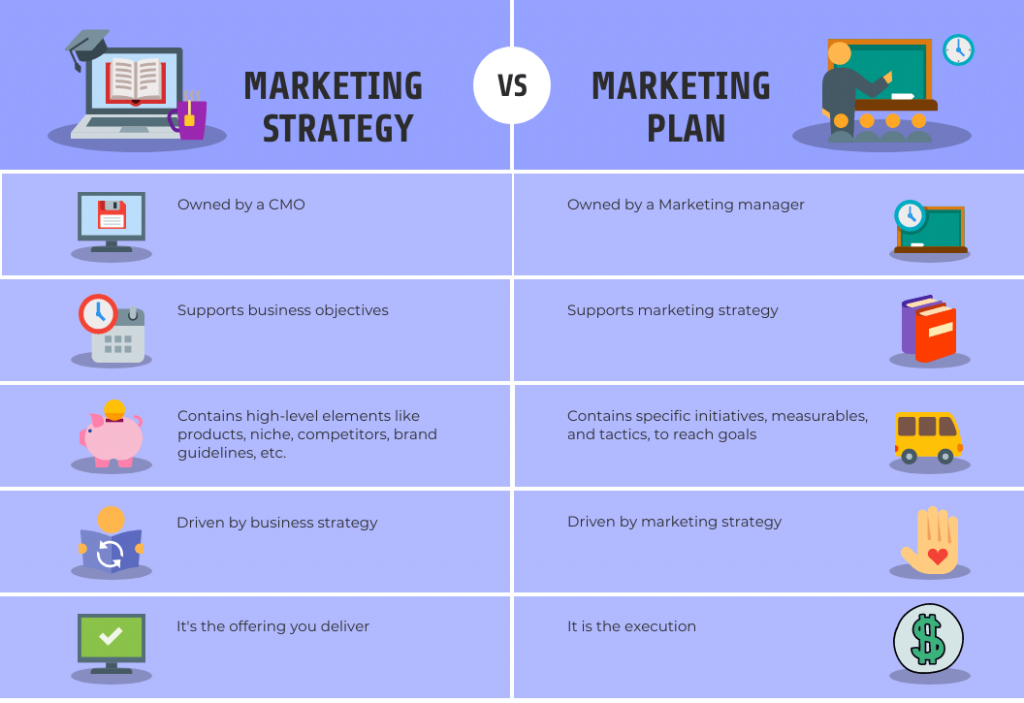
In today’s competitive tech industry, having a solid marketing plan is crucial for the success of your business. A well-thought-out marketing strategy can help you reach your target audience, generate leads, and ultimately increase sales. In this article, we will discuss the key steps to building a marketing plan that works.
Set Clear Goals
The first step in building a successful marketing plan is to set clear and measurable goals. Whether your goal is to increase brand awareness, drive website traffic, or generate leads, it is essential to establish specific objectives that align with your overall business objectives. By setting measurable goals, you will be able to track the success of your marketing efforts and make necessary adjustments along the way.
Know Your Target Audience
Understanding your target audience is a critical component of any successful marketing plan. By knowing who your ideal customers are, you can tailor your messaging and campaigns to resonate with their needs and preferences. Conduct market research, analyze customer data, and create customer personas to gain insights into your target audience’s demographics, behavior, and preferences.
Choose the Right Channels
With numerous marketing channels available, it is essential to select the right ones that will help you reach and engage with your target audience effectively. Whether it is social media, email marketing, content marketing, or paid advertising, each channel has its advantages and disadvantages. Consider your target audience, budget, and marketing goals when choosing the most suitable channels for your business.
Create Compelling Content
Content is king in the digital age, and creating compelling and valuable content is essential for engaging with your audience and driving traffic to your website. Whether it is blog posts, videos, infographics, or whitepapers, high-quality content can help build brand awareness, establish thought leadership, and drive organic traffic to your website. Develop a content calendar and create a mix of content types to keep your audience engaged and coming back for more.
Implement Data-Driven Strategies
Marketing without data is like driving with your eyes closed. Implementing data-driven strategies can help you track the success of your marketing efforts, identify areas for improvement, and make informed decisions based on performance metrics. Use tools like Google Analytics, social media insights, and CRM systems to track key performance indicators (KPIs) such as website traffic, conversion rates, and customer acquisition costs.
Monitor and Optimize Performance
Once you have implemented your marketing plan, it is essential to monitor its performance regularly and make necessary adjustments to optimize results. Keep track of your KPIs, analyze campaign performance, and test different strategies to see what works best for your business. By continuously monitoring and optimizing your marketing efforts, you can ensure that your plan is effective and aligned with your business goals.
Conclusion
Building a marketing plan that works requires careful planning, strategy, and execution. By setting clear goals, understanding your target audience, choosing the right channels, creating compelling content, implementing data-driven strategies, and monitoring performance, you can create a marketing plan that will help you achieve your business objectives and drive success in the competitive tech industry.
Remember, a successful marketing plan is not set in stone and requires flexibility and adaptation to changing market conditions and customer preferences. By following these key steps and continually optimizing your marketing efforts, you can build a marketing plan that works for your tech business.